
Summer Solstice…Explained
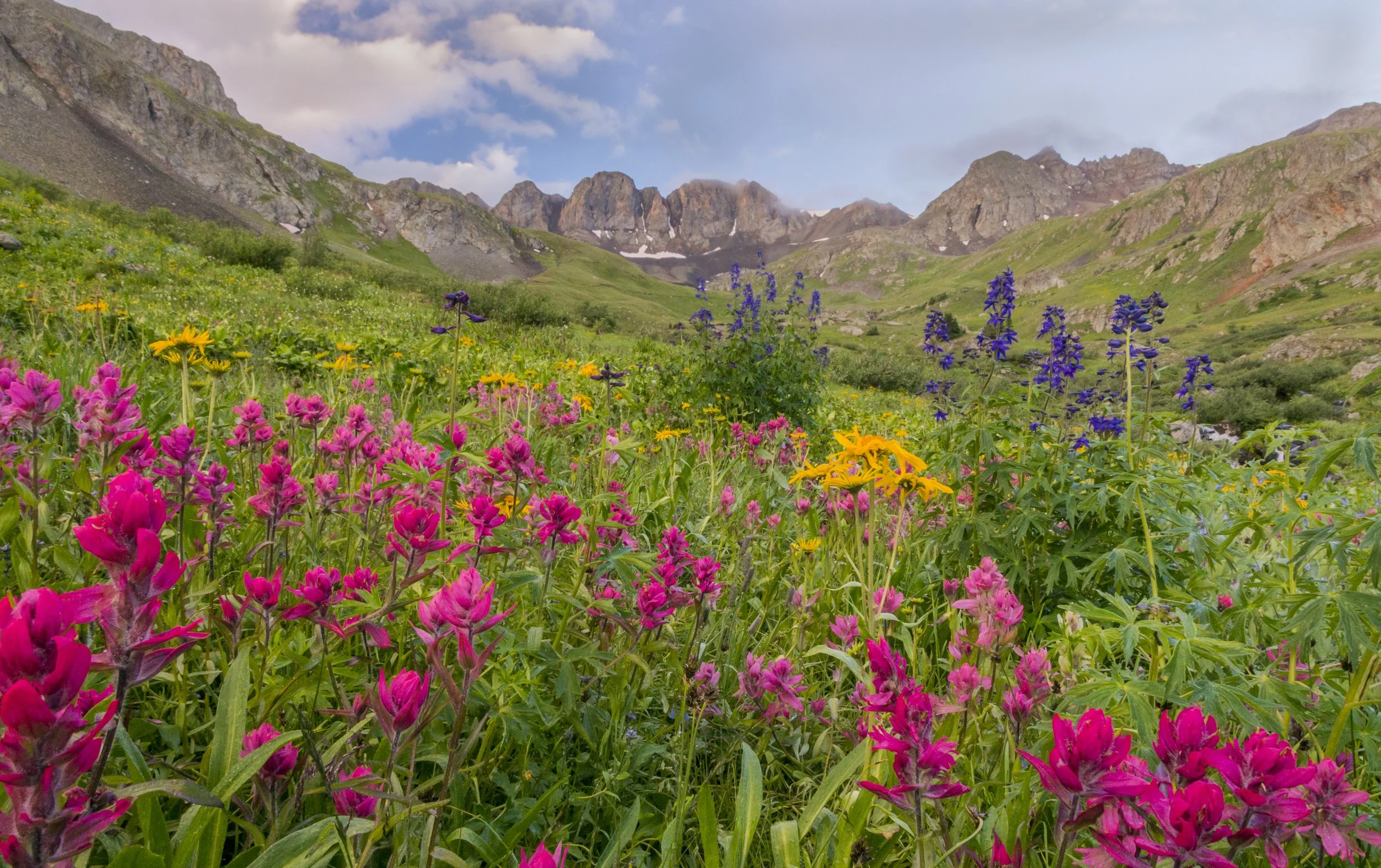
An alpine basin full of summer wildflowers near Lake City, Colorado.
Summer solstice: a time to embrace the sun
The summer solstice marks the arrival of summer and the longest day of the year, a date many look forward to for its symbolism for months of warm weather and the abundance of sunshine.
In the northern hemisphere, the 2026 summer solstice takes place at 2:22 a.m. UTC on June 21. For Colorado, that is 8:22 p.m. MDT June 20, but the first day of summer still arrives on June 21 at 2:26 a.m. MDT.
Unfortunately, the summer solstice also marks the point when the days start their decline towards shorter days. Although only losing seconds of daylight in June, by September Colorado days shorten by up to three minutes a day.
What is the summer solstice?
The summer solstice indicates when the Earth’s tilt causes the northern hemisphere to be closest to the sun. At the same time, the southern hemisphere has entered its winter solstice when it is at its farthest from the sun.
For Estes Park, the summer solstice brings with it 15 hours 3 minutes and 29 seconds of daylight on June 21.
Earth rotates on an axis that is tilted approximately 23.44 degrees relative to the plane of its orbit around the sun. This eliptical movement of the Earth around the sun causes the North Pole to be tilted at its maximum angle toward the sun.
On the solstice, the sun also appears directly overhead in the exact center of the sky if you were standing on the Tropic of Cancer, which lies at a line of latitude of 23.44 degrees North, at solar noon. Some of these locations include The Bahamas, Riyadh in Saudi Arabia and Myanmar.
Back in Colorado, however, a safe observation of the sun on the longest day of the year would produce an effect of the sun not moving at noon. It is this phenomenon that gave solstice its literal meaning of “sol” or sun and “sistere” meaning “to stand still” in Latin.
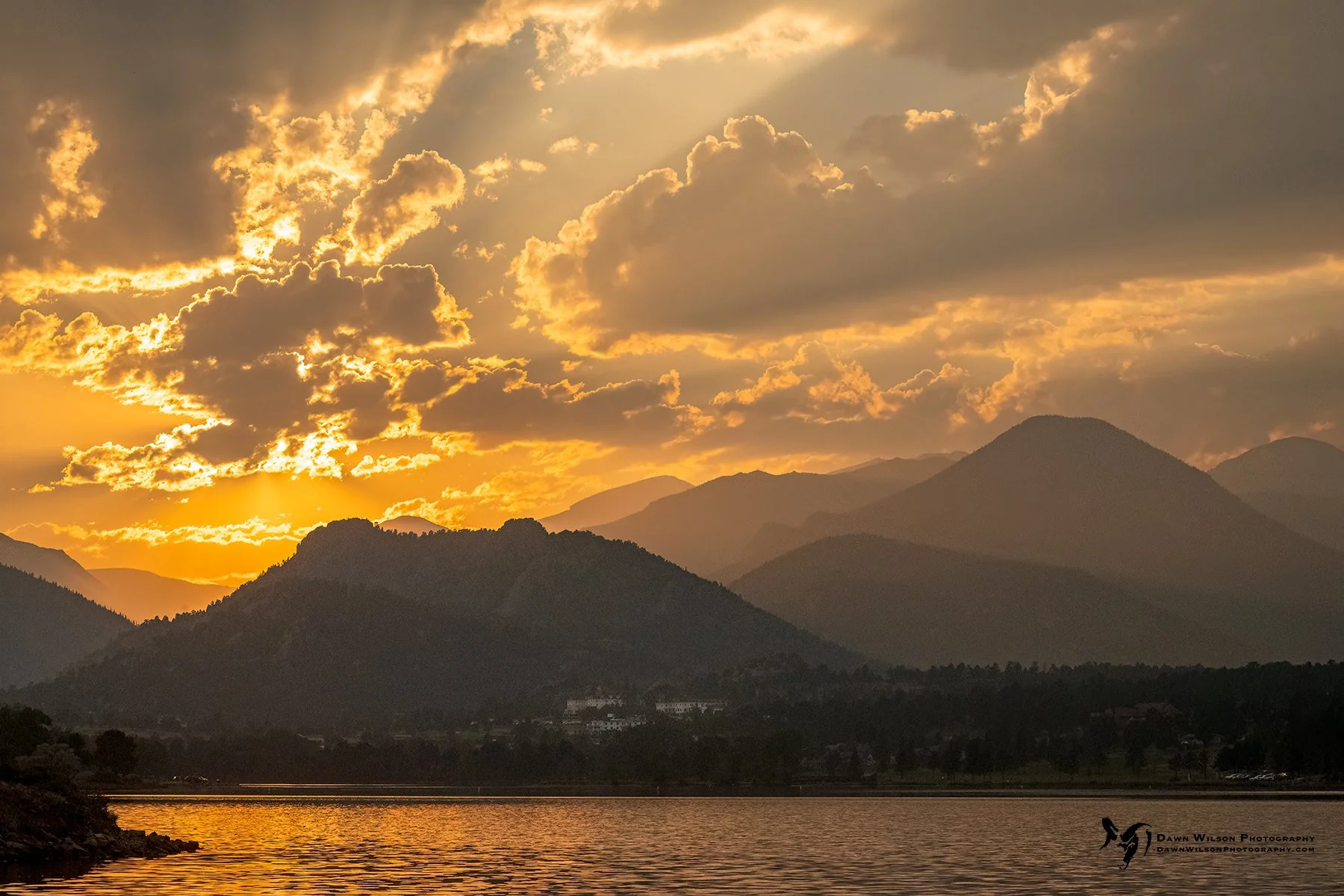
A dramatic sunset over Lake Estes after a summer storm in Estes Park, Colorado.
How do the daylight hours vary?
Depending upon your latitude within the northern hemisphere, the longest day of the year produces varying effects.
In Estes Park, sunset happens at 8:35 p.m. In Whitefish, Mont., nearly 1,000 miles from Estes Park and less than 60 miles from the Canadian border, sunset is at 9:42 p.m. on June 21. And in the northernmost town in the U.S. – Utqiaġvik, Alaska (formerly known as Barrow) – won’t see a sunset again until Aug. 2 after 84 days of continuous sunlight.
Yet farther south in the U.S. in places closer to the Tropic of Cancer, towns see very little variation in the length of day. Towns such as Hilo, Hawaii, which is the U.S. town closest to the equator, has a difference of one hour and 15 minutes between sunset time on the summer and winter solstices.
What is the symbolic significance of the summer solstice?
The summer solstice, along with the winter solstice and the spring and fall equinoxes, mark the seasonal changes on Earth. The summer solstice – with its long hours of daylight – has represented the power of light over dark in many historic cultures.
Stonehenge, a prehistoric megalithic monument in England, is one of the most iconic symbols tied to the summer solstice. The approximately 100 large standing stones are aligned to capture the sunlight exactly at noon on the summer and winter solstices.
Some cultures, such as the Celts and in ancient Egypt, saw the summer solstice as a connection to rebirth. These rebirth events include the alignment of flooding of the Nile River and the beginning of the summer crop season. In Colorado, the summer solstice coincides with wildflower season starting in some of the higher elevations.
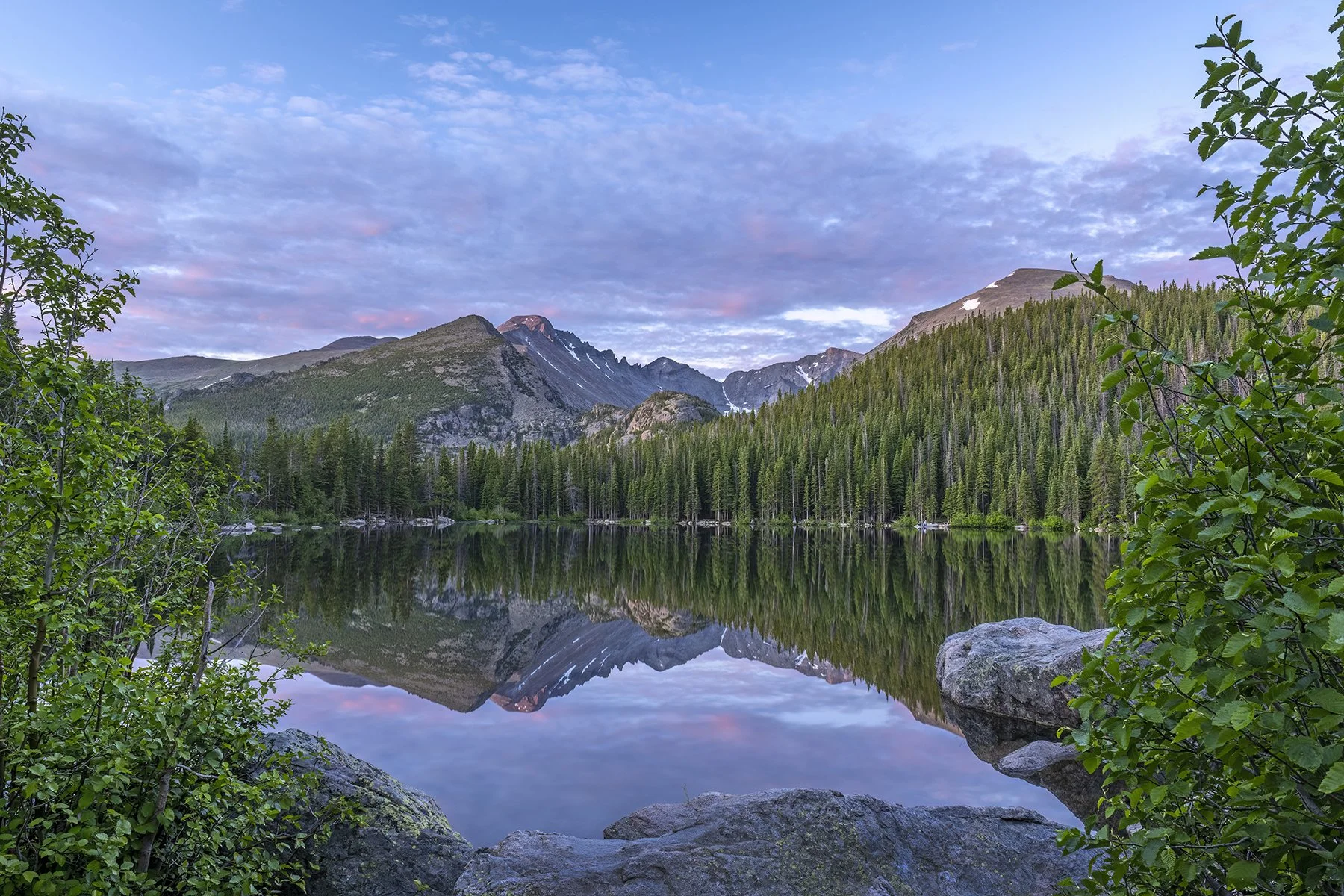
Bear Lake is the beginning of the trail that crosses Rocky Mountain National Park to Grand Lake.
Why embrace the summer solstice today?
For those that love the outdoors – and that presumably is many in the Estes Valley and Rocky Mountain National Park – take advantage of the abundant hours of daylight to enjoy area trails.
The summer solstice is ideal for long hikes to avoid starting or finishing in the dark and before the summer monsoon season arrives, which brings afternoon storms. Trekkers on long hikes to places like Lawn Lake, Bear Lake to Grand Lake or to the summit of Longs Peak will embrace the 15 hours of sunlight on June 21.
Each of the images in this post are available for print on Dawn Wilson's fine art website, Creeks and Critters Nature Images.
Dawn Wilson, who lives in Estes Valley just minutes from Rocky Mountain National Park, has followed northern Colorado weather, photo opportunities and outdoor stories for more than two decades. With more than 800 bylined articles and photo credits to her name, she enjoys sharing her observations of the outside world with readers near and far. To learn more about her work, visit DawnWilsonPhotography.com.